Muscle Pain: Acupuncture a Broader Perspective
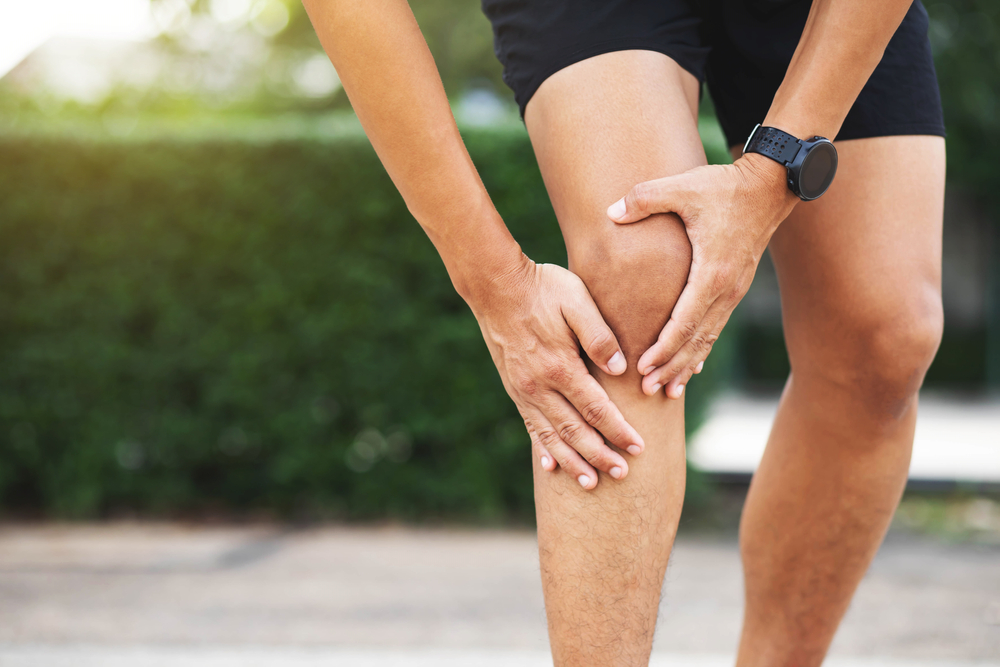
Acupuncture can help relieve muscle pain, either alongside Western medical treatments and procedures or as a stand-alone therapy. It can be effective in addressing muscle injuries, pain resulting from accidents, movement dysfunction, and stress-related tension and discomfort.
As your acupuncturist, I will always recommend further investigation when necessary. Working together, with western medicine diagnostics and treatments, we can identify the underlying causes of your pain, find answers, support your recovery, and help reduce pain so you can move more freely and comfortably.
Listening to the Body
Muscle pain, tension, and movement restrictions are often messages from the body when viewed through a Five Element perspective. Rather than seeing pain as an isolated issue, we consider how the body may be revealing deeper patterns related to stress, emotional well-being, lifestyle, or energetic imbalance.
An injury can affect the whole system to varying degrees. For example, a leg injury may alter the way you walk, causing you to compensate and place additional strain on other areas of the body. Over time, this can lead to secondary problems such as back, hip, or knee pain.
Pain can also have a significant emotional and psychological impact. It may lead to stress and anxiety due to lifestyle changes, concerns about the cause of the pain, difficulties caring for yourself or others, an inability to work, or restrictions that prevent you from exercising and daily living activities.
From a Five Element perspective, addressing these wider effects is just as important as treating the physical symptoms, helping to restore balance and support long-term healing.
How Acupuncture Can Help Muscle pain
Traditional Five Element Acupuncture seeks to identify the underlying imbalance of muscle pain and how it affects the whole person, focusing on the holistic care as well as the physical symptoms.
Treatment may help to:
- Release chronic tension and stress
- Reduce pain
- Improve flexibility
- Support recovery from injury or surgery
- Encourage smoother, more comfortable movement
- Support connecting issues such as sleep,anxiety, future health concerns and disability
- Enhance overall health and well-being
As balance is restored, many people find not only that they move more freely, but that they feel more connected to themselves and their lives.
Acupuncture Treatment
Traditional acupuncture can support your pain, rehabilitation and overall well-being, for treatment contact Hannah Charles LicAc MBAcC at; https://www.southwellacupuncture.co.uk/contact/
Hannah Charles is a founding member of the British Acupuncture Council (MBAcC)
The BAcC is an advocate for traditional acupuncture professionals and maintains the highest professional standards to protect the general public. BAcC members are registered on an accredited register, regulated and approved by the Professional Standards Authority for Health & Social Care (PSA). For More information, see the website: https://acupuncture.org.uk/

Movement as an Expression of Health
Our body is designed for movement, and healthy movement depends on the free circulation of Qi and Blood, as well as the balanced function of all Five Elements. In the Five Element tradition, each element contributes its own unique quality to physical movement. All Five Elements must function harmoniously within us, although one or two elements may become more prominent in relation to your pain.
Wood: Flexibility and Forward Motion
The Wood element is associated with the Liver and Gall Bladder officials and is often considered the element most directly connected with muscles, tendons, and flexibility.
Wood energy gives us the ability to stretch, adapt, and move forward with purpose. When Wood is in balance, movement feels smooth and coordinated.
When Wood becomes imbalanced, symptoms may include:
- Muscle tightness
- Tendon problems
- Cramping
- Reduced flexibility
- Frustration and irritability accompanying physical tension
Many people recognise how stress can literally make them “tense up.” From a Five Element perspective, this reflects the close relationship between emotional and physical flexibility.
Fire: Joyful Expression Through Movement
The Fire element governs circulation, warmth, and connection.
Movement associated with balanced Fire often appears graceful, spontaneous, and expressive. Whether dancing, laughing, or simply moving with enthusiasm, Fire brings vitality to physical activity.
An imbalance may contribute to:
- Restlessness
- Over-exertion
- Fatigue after activity
- Difficulty maintaining healthy activity levels
Fire reminds us that movement should not only be functional but enjoyable.
Earth: Stability and Strength
The Earth element provides grounding and nourishment.
Strong muscles require adequate nourishment, both physically and energetically. Earth supports the body’s ability to build and sustain strength.
When Earth is out of balance, a person may experience:
- Muscle weakness
- Heaviness in the limbs
- Fatigue
- Difficulty recovering after exercise
Earth teaches us that movement depends on a solid foundation of nourishment, rest, and self-care.
Metal: Structure and Rhythm
The Metal element governs the Lung and Large Intestine officials and brings order, rhythm, and precision.
Breathing plays a crucial role in all movement. Whether walking, running, lifting, or stretching, healthy breathing helps coordinate muscular activity and oxygen delivery throughout the body.
Metal imbalance may manifest as:
- Restricted breathing affecting performance
- Rigidity
- Poor posture
- Difficulty adapting movement patterns
Through mindful breathing, Metal helps create ease and efficiency in movement.
Water: Endurance and Resilience
Water is associated with the Kidney and Bladder officials and relates to our deepest reserves of energy.
The Water provides endurance, willpower, and the capacity to recover. It supports the bones and joints that allow muscles to function effectively.
When Water energy becomes depleted, people may notice:
- Exhaustion
- Weakness in the lower back and legs
- Reduced stamina
- Difficulty recovering from physical exertion
Water reminds us that sustainable movement depends on conserving and replenishing our resources.
For more information about the Five Elements in you see page https://www.southwellacupuncture.co.uk/acupuncture-five-elements/
Acupuncture Treatment
Traditional acupuncture can support your pain, rehabilitation and overall well-being, for treatment contact Hannah Charles LicAc MBAcC at; https://www.southwellacupuncture.co.uk/contact/